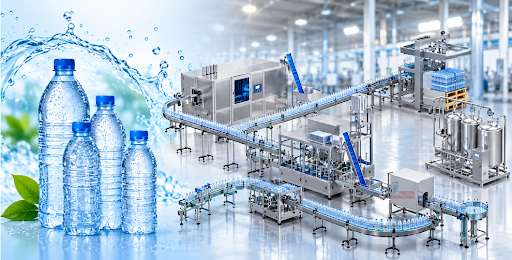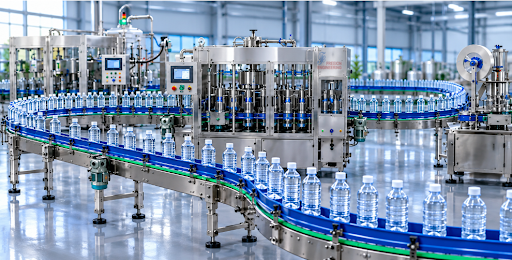
Growing a juice brand takes more than a great fruit recipe. When orders rise, hand filling slows your team. It spills costly pulp. It also risks spoilage. An Automatic Juice Bottle Filling Machine fixes these problems fast. Modern fillers handle hot-fill, pulpy blends, and exact bottle volumes. They do not stop to rest. You get faster output, longer shelf life, and lower labour costs on every shift.
This guide shows how the machine works. You will see its profit gains and key buying checks. You will also learn why an Automatic Bottle Filling Machine gets your plant ready for fast growth.
What Is an Automatic Juice Bottle Filling Machine?
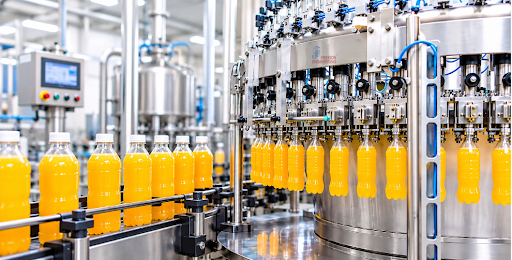
An Automatic Juice Bottle Filling Machine is a fast packing unit. It rinses, fills, and caps juice bottles in one smooth cycle. Plain water fillers cannot do this job. Juice is thick. It has fruit fibers. It is often filled hot, between 85°C and 92°C.
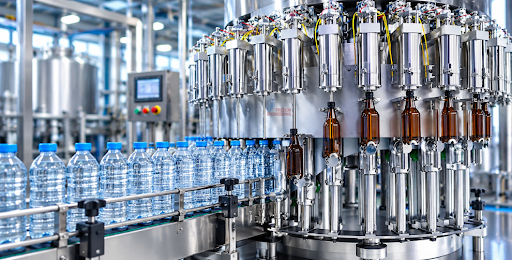
Most new units wash, fill, and seal in one closed steel cabinet. Bottles come in on a conveyor. They get cleaned inside. They get an exact dose of juice. They leave tightly capped. One Automatic Juice Bottle Filling Machine replaces a slow hand crew. Every bottle on the shelf looks the same.
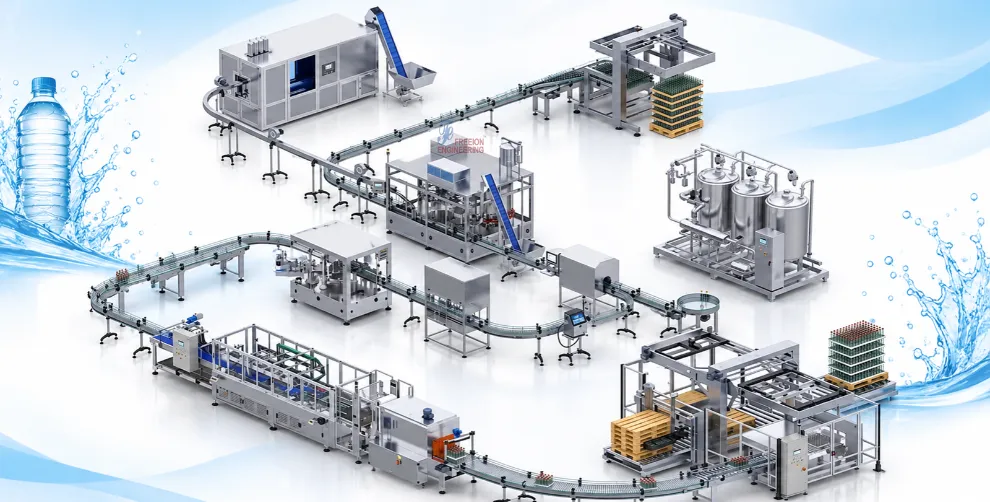
Are you building a full fruit drink plant? Then add a Juice Packing Line. It covers each step from pulping to shrink wrapping. Work flows in one line. You get fewer gaps and less waste.
Why Does Your Beverage Business Need an Automatic Juice Bottle Filling Machine Right Now?
A good filler lifts your profit. It cuts product giveaway. It lowers payroll. It speeds up order delivery. Juice demand jumps fast in summer. Hand lines cannot keep up. You must hire more workers. Errors also rise.
An Automatic Juice Bottle Filling Machine removes this jam at once. Each bottle gets the same fill. You stop losing costly fruit pulp to overfills. Tight caps lock in taste and vitamins. Dealers trust your brand, even on long trips.
Want to see more options for thick and thin liquids? Browse our product range. It is built for modern drink plants.
How Does Hot-Fill Technology Protect Juice Freshness and Shelf Life?
Hot-fill heats the juice before bottling. It fills at high heat. This kills germs. You do not need heavy preservatives. An Automatic Juice Bottle Filling Machine with hot-fill valves does this in a safe and clean way.
Here is how the hot-fill cycle protects your drink:
- Heat Cleaning: Hot juice cleans the inner wall of heat-safe PET or glass bottles on contact.
- Return-Tank Flow: If the line stops, juice flows back to the heating tank. The heat never drops below the safe limit.
- Cap Cleaning: After sealing, bottles tilt for a short time. Hot juice cleans the inside of the cap too.
- No Open Air: Closed nozzles keep dust and yeast out of the bottle during filling.
This cycle is simple. It is also strong. Your juice stays fresh for a long time on the shelf.
How Does an Automatic Juice Bottle Filling Machine Compare to Manual and Semi-Automatic Setups?
Compare the three levels side by side. You will see how fast an Automatic Filling Machine pays back its cost.
|
Production Factor |
Manual Filling | Semi-Automatic Filler | Automatic Juice Bottle Filling Machine |
|
Hourly Speed |
200 to 500 bottles | 800 to 1,500 bottles | 2,400 to 18,000+ bottles |
|
Fill Accuracy |
Low (many overfills) | Medium | High (±0.5% to 1%) |
| Hygiene and Safety | High hand contact | Some exposure |
Closed cabinet with CIP cleaning |
| Hot-Fill Ability | Unsafe for workers | Limited speed |
Built-in heat control |
| Staff Needed | 6 to 10 workers | 3 to 5 operators |
Only 1 to 2 operators |
Do you also pack still water with your fruit drinks? Then add a Drinking water packaging line. You can serve both markets under one roof. One team can run both lines. This saves cost and space.
Which Features Should You Look for Before Buying a Juice Filler?
Check the build, the valves, and the ease of cleaning. Then your Automatic Juice Bottle Filling Machine will run well for years. Never choose based on low price alone. A cheap unit breaks often. You lose time and sales.
Look for these must-have features:
- SS 316L Contact Parts: Orange, lemon, and pineapple juice are acidic. They eat cheap metal. SS 316L resists acid. It keeps the taste pure.
- Wide-Passage Valves: Wide nozzles let pulpy drinks like mango or guava flow with no clogging.
- Clean-In-Place (CIP) System: Spray balls wash tanks and pipes automatically. Use it between flavour changes.
- Quick Size Changeover: Adjustable star wheels let your crew switch between 200 ml, 500 ml, and 1-litre bottles in minutes.
- No-Bottle-No-Fill Sensors: Sensors stop the juice flow when a bottle is missing. The floor stays clean and dry.
Ask for a live trial before you buy. Fill with pulpy juice and clear juice. Watch for drips and clogs. A short test tells you more than a long brochure.
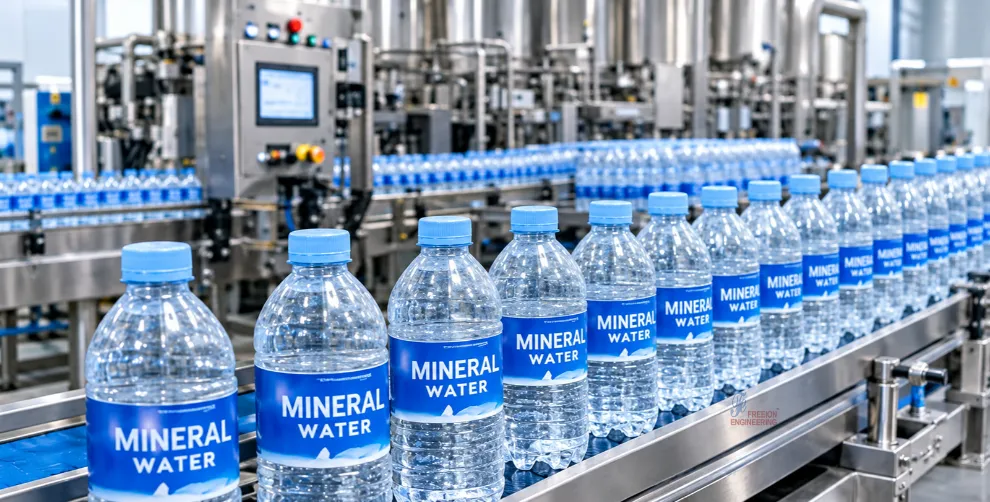
For beverage manufacturers looking to increase production efficiency, investing in a reliable PET Bottle Juice Filling Machine from FREEION Engineering can help automate the rinsing, filling, and capping processes while ensuring hygienic and consistent juice packaging.
What Return on Investment (ROI) Can You Expect from Automation?
Most growing brands earn back the cost in 12 to 24 months. Labour and raw material savings add up fast. Save just 3 ml of juice per bottle. At 20,000 bottles a day, that is 60 litres of juice saved daily.
Add lower overtime pay. Add zero rejected batches. Your cost per bottle drops sharply. To keep your line fast season after season, our service team provides regular checks, genuine spares, and operator training. Strong support protects your return.
Conclusion
An Automatic Juice Bottle Filling Machine gives your brand speed, exact fills, and hot-fill hygiene. You need all three to win in modern retail. It cuts juice waste. It lowers labour needs. It extends shelf life. Bottling stops being a jam. It becomes your best profit engine. Pick food-grade steel. Check the real speed. Ask about service before you buy.
Freeion Engineering builds clean, energy-saving juice and drink filling lines. We fit each line to your recipe and your goals. From compact monoblocks to full turnkey drink plants, our engineers guide you from layout to start-up. If you have any queries, contact us on WhatsApp today to get expert advice and a custom quote for your plant.
Follow Instagram and Facebook for updates on advanced beverage packaging machinery, liquid filling solutions, and industrial automation.
Frequently Asked Questions (FAQs)
1. What are the best automatic liquid filling machine manufacturers?
The best makers use food-grade SS 304 or SS 316 steel. They offer custom nozzles and fast spare parts. Freeion Engineering is a leading Indian maker. It builds full turnkey bottling lines and hot-fill juice systems. Its team also provides on-site setup across India and abroad.
2. How long does an automatic liquid filling machine last?
A well-built Automatic Juice Bottle Filling Machine lasts 12 to 15 years or more. It needs regular care. Run CIP cleaning every day. Change worn rubber gaskets on time. Use only genuine spares. Then the machine runs like new.
3. What are some reasons to use automatic filling machines?
An Automatic Juice Bottle Filling Machine gives higher output and exact fills. It keeps food hygiene strict. It cuts labour costs and product waste. It also supports hot-fill. So your drinks stay fresh longer without extra preservatives.
4. Can one juice filling machine handle both pulpy juice and clear drinks?
Yes. An Automatic Juice Bottle Filling Machine with wide-passage piston or flow-meter valves fills both. It handles pulpy nectar and clear fruit drinks. Operators set the fill volume and heat on the touchscreen. They do this at each product change.
5. What is the price of an automatic juice bottle filling machine in India?
The price usually ranges from ₹8 lakh to ₹55 lakh. It depends on bottle speed, hot-fill ability, and steel grade. Turnkey lines add rinsing, capping, cooling tunnels, and labelling. Their cost depends on total plant size.