Running a water plant is not easy. Daily targets are high. Profit margins are small. Every extra gram of plastic costs you money. Every spilled drop of water does the same. A modern Short Neck Water Bottle Filler Machine fixes both problems. Short-neck bottles use lighter preforms and smaller caps. This saves a lot on raw material each month. Auto filling also keeps your line fast and clean. Mistakes become rare.
In this guide, you will learn how the machine works. You will see its best features and real uses. You will also learn how it helps your plant grow faster. Read it once. Then use it as a checklist before you buy.
What Is a Short Neck Water Bottle Filler Machine?
A Short Neck Water Bottle Filler Machine is an automatic unit. It fills and seals PET bottles that have a short neck. Old long-neck bottles use a big cap. Short-neck bottles use a small cap, like 26/22 mm or 28 mm. This one change cuts plastic weight and bottle stays strong.
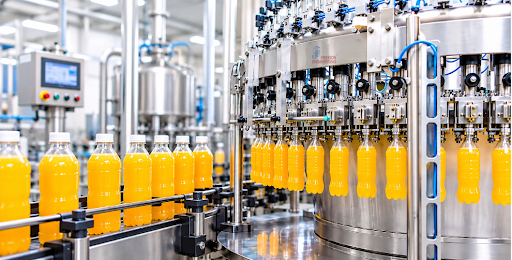
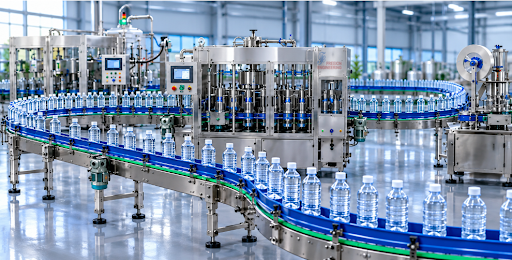
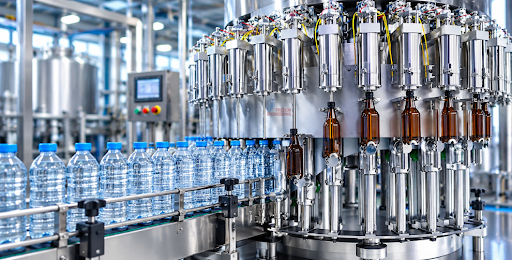
Most new units wash, fill, and seal in one closed frame. Star wheels hold each bottle by the neck ring. They carry it from start to end. No one moves bottles by hand. The bottle never falls. It never jams on the track.
A Short Neck Water Bottle Filler Machine gives you steady speed and clean output in a small space. It also keeps dust and hands away from the bottle. That keeps your water safe.
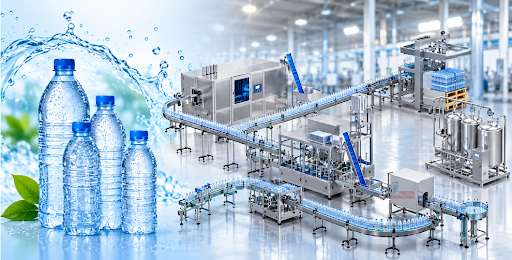
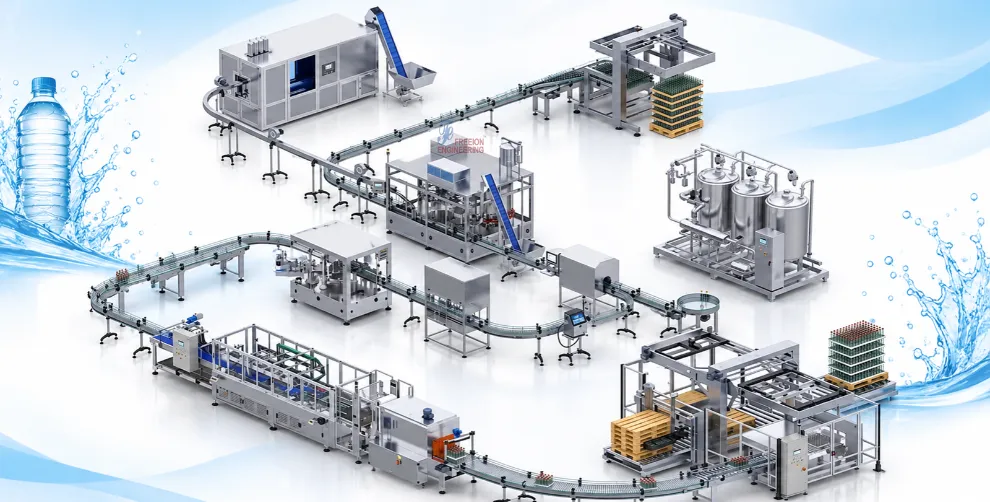
Are you building a full plant from scratch? Then add a Drinking water packaging line. It covers every step. Water cleaning, filling, and shrink wrapping work as one flow. You get fewer gaps and less waste.
What Are the Top Features of a Short Neck Water Bottle Filler Machine?
A good machine stands out for its food-grade steel, non-drip valves, and smart safety controls. Strong core parts keep repair bills low. Your shifts stay calm and smooth.
Look at these features when you compare machines:
- SS 304 and SS 316 Contact Parts: Food-grade steel stops rust. It keeps the water taste pure. It also meets FSSAI rules.
- Gravity Filling Valves: These valves fill each bottle to the exact level. They shut off cleanly. No drips fall.
- Neck-Handling System: Bottles hang by the neck ring. So you can switch between 250 ml, 500 ml, and 1-litre sizes fast.
- Magnetic Capping Heads: You can set the torque. Each cap gets tight. The threads stay safe. Nothing leaks in transit.
- Touchscreen PLC Panel: Operators set the speed on one screen. They check bottle counts there too. Fault alerts show up at once.
- No-Bottle-No-Fill Sensor: The valve stays shut when a pocket is empty. This saves water. The floor stays dry.
To keep your machinery running at peak output year-round, our service engineers offer preventive checkups, genuine spares, and hands-on staff training.
Where Can You Use a Short Neck Water Bottle Filler Machine?
You can use it in drinking water plants, mineral water units, and still drink factories. The valves handle thin, free-flowing liquids with great accuracy. So the machine fits many daily products.
Common uses of Short Neck Water Bottle Filler Machine:
- Packaged Drinking Water: It suits 200 ml, 250 ml, 500 ml, 1-litre and 2-litre bottles. These sell in shops and at events.
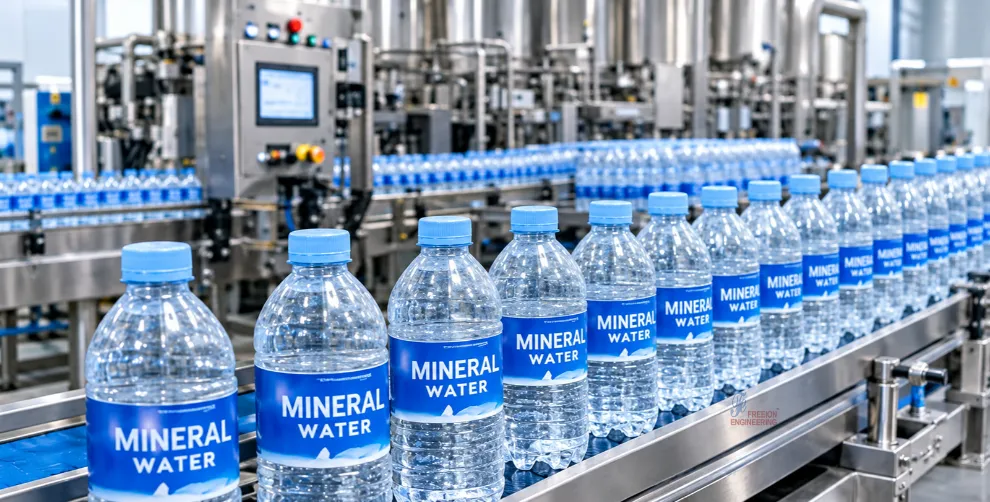
- Natural Mineral Water: Spring and mineral water stays free from hand contact.
- Flavoured and Vitamin Water: Light flavoured water fills cleanly. It does not foam. The taste stays the same.
- Ready-to-Drink Still Beverages: It works well for clear herbal drinks, glucose water, and fruit drinks without pulp.
Do you want to sell fizzy drinks with your still water? Then look at a carbonated soft drink processing and packaging line. It handles cold, pressurised liquids with ease. Plan this early. It saves floor space and money later. You can also explore our product range to find specialized fillers for juices, dairy and edible oils.
How Does a Short Neck Water Bottle Filler Machine Benefit Your Business?
This machine lowers your cost per bottle. It cuts plastic waste. It lifts daily output from day one. Even a mid-size plant earns back the cost fast. Material and labour savings add up every month.
The table shows how your plant changes after the upgrade:
| Business Area | Traditional / Long-Neck Setup | Short Neck Water Bottle Filler Machine | Direct Impact on Your Plant |
| Plastic and Cap Cost | Heavy preforms and tall caps | Light preforms and short caps | Saves 20% to 30% on plastic |
| Filling Speed | Slow output with many stops | Smooth rotary flow (40 to 300+ BPM) | More daily stock and faster orders |
| Hygiene and Safety | Many hand touchpoints | Closed cabinet with auto-rinsing | Low risk and easy audit approval |
| Water Wastage | Overfills and valve drips | Exact level control and no-fill sensors | Saves thousands of litres of water |
| Labor Need | 5 to 8 workers on the line | Only 1 to 2 operators | Lower payroll and fewer errors |
Cost is not the only gain. Equal fill levels build trust with dealers and shop owners. Every bottle looks the same. Every cap is tight. Every pack is ready for long trips.
Your brand image also grows. Buyers notice a neat, full bottle. They notice a clean seal. They come back and order more.
How Should You Maintain Your Short Neck Water Bottle Filler Machine?
Daily cleaning, seal checks, and timely oiling keep the machine healthy for over ten years. Small habits after each shift stop sudden breakdowns. This matters most in peak summer, when demand is high.
Follow this simple routine on your shop floor:
- Run CIP Cleaning After Each Shift: Flush the tanks, pipes, and nozzles. Use food-grade sanitizer and clean RO water.
- Check Rubber O-Rings: Look at the valve seals every week. Change worn ones before drips start.
- Clean Capping Chucks: Wipe the cap chutes and magnetic heads daily. Dust should never block the cap feed.
- Check Air Pressure: Keep the air filters dry and clean. Then the bottle grippers move smooth.
Keep a log book near the machine. Note each check with date and time. A written record helps you spot problems early. It also helps new staff learn the routine fast.
Conclusion
A modern short Neck Water Bottle Filler Machine is a smart move for any water plant owner. It cuts plastic cost. It speeds up daily output. It keeps hygiene strict. Accurate filling, quick size changes, and low labor need build a strong base for steady growth. Pick food-grade steel. Check the real speed. Ask about service before you buy. Then your plant stays profitable for years.
Freeion Engineering builds strong, energy-saving bottling machines for Indian and global needs. We offer compact monoblocks and full turnkey water plants. Our team helps with custom layout, fast setup, and reliable after-sales care. If you have any query, contact us on WhatsApp today to share your plant needs and get a custom quote.
Follow Instagram and Facebook for updates on advanced beverage packaging machinery, liquid filling solutions, and industrial automation.
Frequently Asked Questions (FAQs)
1. What is the price of a Short Neck Water Bottle Filler Machine in India?
The price usually ranges from ₹6 lakh to ₹45 lakh or more. The final cost depends on speed in bottles per minute (BPM). It also depends on the steel grade and the level of automation.
2. How many bottles can a Short Neck Water Bottle Filler Machine fill per hour?
It depends on the model. Output runs from 2,400 bottles per hour (40 BPM) up to 18,000+ bottles per hour (300 BPM). Small plants often start with a 60 BPM unit. They upgrade as demand grows.
3. Can one Short Neck Water Bottle Filler Machine fill both 500 ml and 1-liter bottles?
Yes. One machine handles 250 ml, 500 ml, 1-liter, and 2-liter sizes. It holds the bottle by the neck ring. So operators only adjust the star-wheel guides and conveyor height.
4. Why are short-neck water bottles better than long-neck bottles?
They use 20% to 30% less plastic in the neck and cap area. The bottle stays just as strong. This cuts raw material cost. It lowers shipping weight. It also supports eco-friendly packaging.
5. What power and space are needed to install this water filling machine?
A 60 to 120 BPM monoblock needs about 3 to 7 kW of three-phase power. It needs a clean area of about 15 x 10 feet. Leave extra walking space around it. This makes cleaning and repair easy.