Buying a bottling machine is a big step for any water plant owner. A wrong pick brings daily jams. It wastes water. It also adds heavy repair bills. The right Short Neck Water Bottle Rinser Filler Capper runs smoothly for years. Short-neck bottles use less plastic. On one bottle, the savings look small. Over millions of bottles, it turns into real profit.
This guide is simple. It shows what to check before you buy. You will learn the speed rules, the clean-water needs, and a few smart buying tips. Read it once. Then use it as a checklist when you talk to any seller.
What Is a Short Neck Water Bottle Rinser Filler Capper?
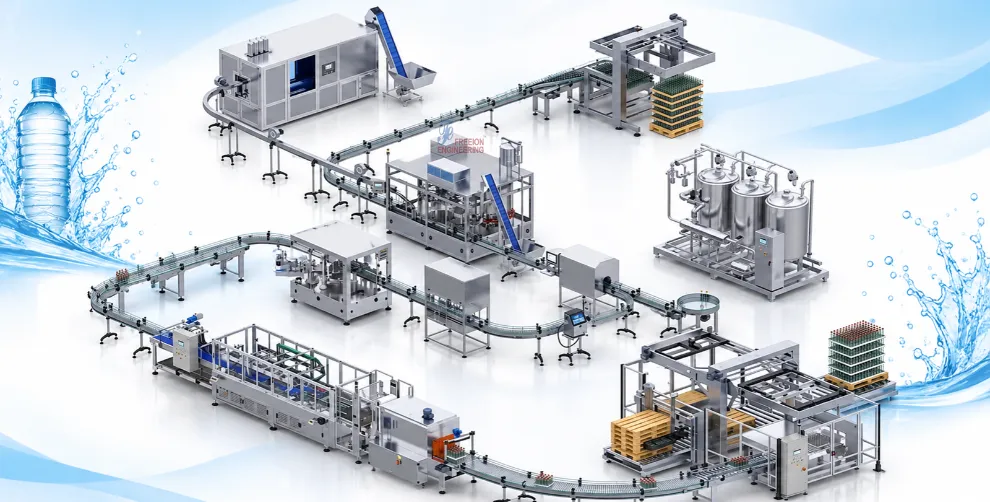
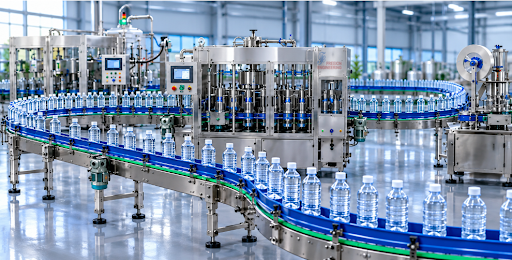
A Short Neck Water Bottle Rinser Filler Capper is one compact machine. It cleans, fills, and seals short-neck PET bottles in one flow. Workers do not carry bottles from one unit to another. Many people call it a 3-in-1 monoblock machine. It saves floor space. It also keeps dust away from clean bottles.
Short-neck bottles have a smaller cap. They use less plastic at the top. Many Indian water brands like this design. It cuts packing cost right away. Less plastic also means a lighter bottle. A lighter bottle is cheaper to carry and store.
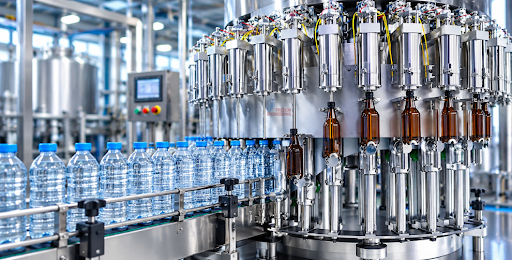
A standard Short Neck Water Bottle Rinser Filler Capper does three jobs inside one closed frame:
- Rinsing: Grippers flip each empty bottle upside down. Clean water sprays inside. It washes out the dust.
- Filling: Valves pour the exact set amount of water into each bottle. No drops spill.
- Capping: Magnetic heads pick up the caps. They place each cap straight and twist it tight. Nothing leaks.
This machine is most common in packaged water plants. But the same idea works for other drinks too. If you also plan to pack fruit drinks, look at a Juice packing line made for pulp and thick liquids. Plan it early. It helps you grow later without a rebuild.
Why Should You Pick a Short Neck Water Bottle Rinser Filler Capper Over Separate Machines?
A monoblock cuts labour cost. It raises speed. It keeps water safe inside a closed cabinet. Separate machines for washing, filling, and capping need long open conveyors. Bottles travel a long way. Dust can land on them. Insects can sit on them. Hands can touch the bottle neck.
A monoblock Short Neck Water Bottle Rinser Filler Capper fixes this problem. Star wheels hold each bottle under the neck ring. They hold it from start to end. The bottle never rubs the side rails. So it does not tip over. It does not jam.
Plants that run thousands of bottles each day see quick gains. Output goes up. Product safety goes up. Your team also spends less time fixing small faults. That means more working hours and less waste.
There is one more advantage. A closed machine is easy to keep clean. You wipe one body, not five. Audits become easier. Buyers trust a plant that looks tidy and safe.
Want to fill other drinks? Check out our product range for liquid filling. It suits modern bottling plants.
Which Key Factors Decide the Right Short Neck Water Bottle Rinser Filler Capper for Your Factory?
Your daily target, bottle sizes, and build material decide the right fit. Never choose by price alone. A cheap unit with weak parts stops every few days. You lose sales. You pay more in the end. The right Short Neck Water Bottle Rinser Filler Capper is the one that fits your plan for the next five years.
Check these points before you place any order:
- Hourly Output: Match the speed to your shift hours and market demand. Speed is counted in bottles per minute (BPM).
- Food-Grade Steel: Every part that touches water should be SS 304 or SS 316. This stops rust. It also meets FSSAI rules.
- Quick Changeover: Ask how fast your team can switch sizes. Check 250 ml, 500 ml, 1-liter, and 2-liter bottles.
- Accurate Filling: Pick non-drip gravity valves. Each bottle should get the same water level.
- Safety Interlocks: The machine should stop on its own. It should stop when a bottle jams, a cap runs out, or a door opens.
Also think about the future. You may add fizzy drinks later. A carbonated soft drink processing and packaging line uses special valves to hold gas inside the bottle. Know your future product mix now. Plan your floor layout with it in mind. It saves money and stress later.
How Do Different Short Neck Water Bottle Rinser Filler Capper Capacities Compare?
A side-by-side view helps you match budget and space to daily output. Small startups need a compact model. Big regional brands need fast rotary heads.
|
Machine Capacity |
Rinsing / Filling / Capping Heads | Best Plant Size | Floor Space | Operators |
|
24 to 40 BPM |
8-8-3 | Small and startup plants | Low | 1 to 2 |
|
60 to 90 BPM |
12-12-4 or 16-16-6 | Growing regional brands | Medium |
2 |
| 120 to 150 BPM | 24-24-8 | Medium to large units | Medium-Large |
2 |
| 200+ BPM | 32-32-10 or higher | High-volume plants | Large |
2 to 3 |
Read each quote with care. Check the real speed on 1-liter bottles. Do not trust the speed on small 200 ml bottles. A good Short Neck Water Bottle Rinser Filler Capper holds steady speed for a full 8-hour or 12-hour shift. It does not overheat.
Also ask for a live trial. Watch the machine run for a few hours. Count the bottles that leak or tip. A short test tells you more than a long brochure.
What Should You Check About After-Sales Support and Maintenance?
Fast spare parts and strong tech help keep your plant earning. Even the best Short Neck Water Bottle Rinser Filler Capper needs care. You must change rubber O-rings. You must clean spray nozzles. You must check cap torque.
Ask the maker these questions before you sign:
- Are spare parts kept in ready stock in India?
- Will engineers visit for setup and operator training?
- How fast can they fix a fault by video call or site visit?
- Does the control panel use common PLC and sensor brands?
Good support keeps your plant running fast. Our service team does regular checks. We supply genuine spares. We train your staff hands-on. This turns one purchase into a long-term partnership.
Conclusion
Choosing the right Short Neck Water Bottle Rinser Filler Capper is simple when you know what to check. Match the speed to your daily target. Pick food-grade steel. Ask about quick changeover. Make sure spare parts and service are close by. When rinsing, filling, and capping happen under one clean roof, you waste less water. You spend less on plastic. And you give safe drinking water to every customer.
Freeion Engineering builds fast, clean, and energy-saving bottling lines to fit your factory. Whether you are starting a new plant or growing an old one, our engineers are ready to help. If you have any queries, contact us on WhatsApp today to get expert advice and a custom quote for your plant.
Follow Instagram and Facebook for updates on advanced beverage packaging machinery, liquid filling solutions, and industrial automation.
Frequently Asked Questions (FAQs)
1. How will you design a water bottle filling machine without any distance sensor in use?
Use mechanical star wheels, indexing cams, and timed gravity valves. A synced motor moves the star wheel. It puts each bottle under a nozzle. The neck lifts the valve. Water flows for a fixed time. Then it stops when the set volume is full.
2. What is a PET bottle-making machine?
It is also called a stretch blow moulding machine. It heats small plastic preforms in an oven. Then it blows high-pressure air into them inside a metal mould. The soft plastic stretches into a clear, strong, light bottle. The bottle then goes straight to your Short Neck Water Bottle Rinser Filler Capper.
3. Why is a Short Neck Water Bottle Rinser Filler Capper better for saving packaging cost?
It runs light preforms and short caps. They use 20% to 30% less plastic than long-neck bottles. Over one year, this saves lakhs of rupees on raw material.
4. Which bottle sizes can run on one Short Neck Water Bottle Rinser Filler Capper?
Most monoblock machines run 200 ml, 250 ml, 500 ml, 1-liter, and 2-liter bottles. The machine holds the bottle by the neck ring. So your team only makes small guide changes when the bottle height changes.
5. How do you clean and sanitize the machine after a shift?
Run a Clean-In-Place (CIP) cycle. Flush the water tank, pipes, and filling nozzles. Use food-grade sanitizer and clean RO water. Do this after every shift. It stops germs from growing and keeps the water taste pure.